The US Supreme Court and other High Courts have acknowledged that traveling peacefully and un-disruptively on the public roads, using the common modes of transportation of the day, is a fundamental right of all people. The only exceptions would be people who have not lost their right of free movement by criminal conviction. This is how so much of government was understood to work from the times of the popular revolutions of the late 1700s and early 1800s, until the rise of the administrative state in the 20th Century. Government’s founding documents pledged to protect the people’s freedom to live and prosper, and a government’s laws were supposed to be the local interpretation of generic human rights that should apply anywhere.
This period of enlightenment threw off arbitrary rule by kings and a self-serving landed gentry, and instead aspired to govern in the interests of all, without regard to wealth, class, or status, including explicit protections for vulnerable individuals. So clear was this basic right to use the public roads, that many high court cases in the US confirmed the right of people to use the roads, even without a license. WeAreChange.org has assembled this great list of cases illustrating the point.
Public roads were standardized, private roads were built for profit, and surprisingly few roads were subsidized by taxes. Wartime concerns and Great Depression policy in the 1900’s changed all that. Common people were convinced to give up opportunities and freedoms wholesale to deal with mass unemployment and threats of foreign invasion. An army of experts swelled government agencies directing the construction of public works, but at great expense and with arbitrary restrictions on use.
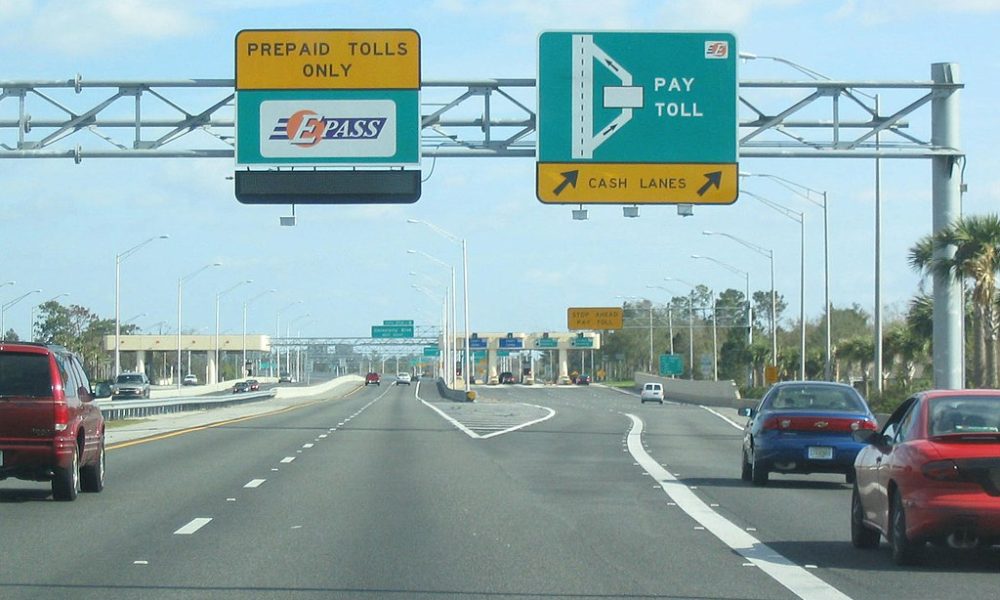
Today, people are so accustomed to being ruled by the powerful administrative state that developed in the 20th century, that most just accept that public roads will be built as toll roads, and that tolling may be added to previously untolled sections of road. Further, because toll roads are such great generators of money, governments do not want to remove the tolls from roads, after the roads have been paid for, the collection of tolls is considered a lucrative long-term asset to be milked or sold by the agency controlling the toll.
The policy of adding tolls to previously untolled public roads and of building public roads with tolls that will not end after the road is paid for, are clear violations of the universal right to access public roads. These policies are also an alarming violation of public trust.